Kgyat

Our New Technology Projects

Shaping newer green machine genealogies

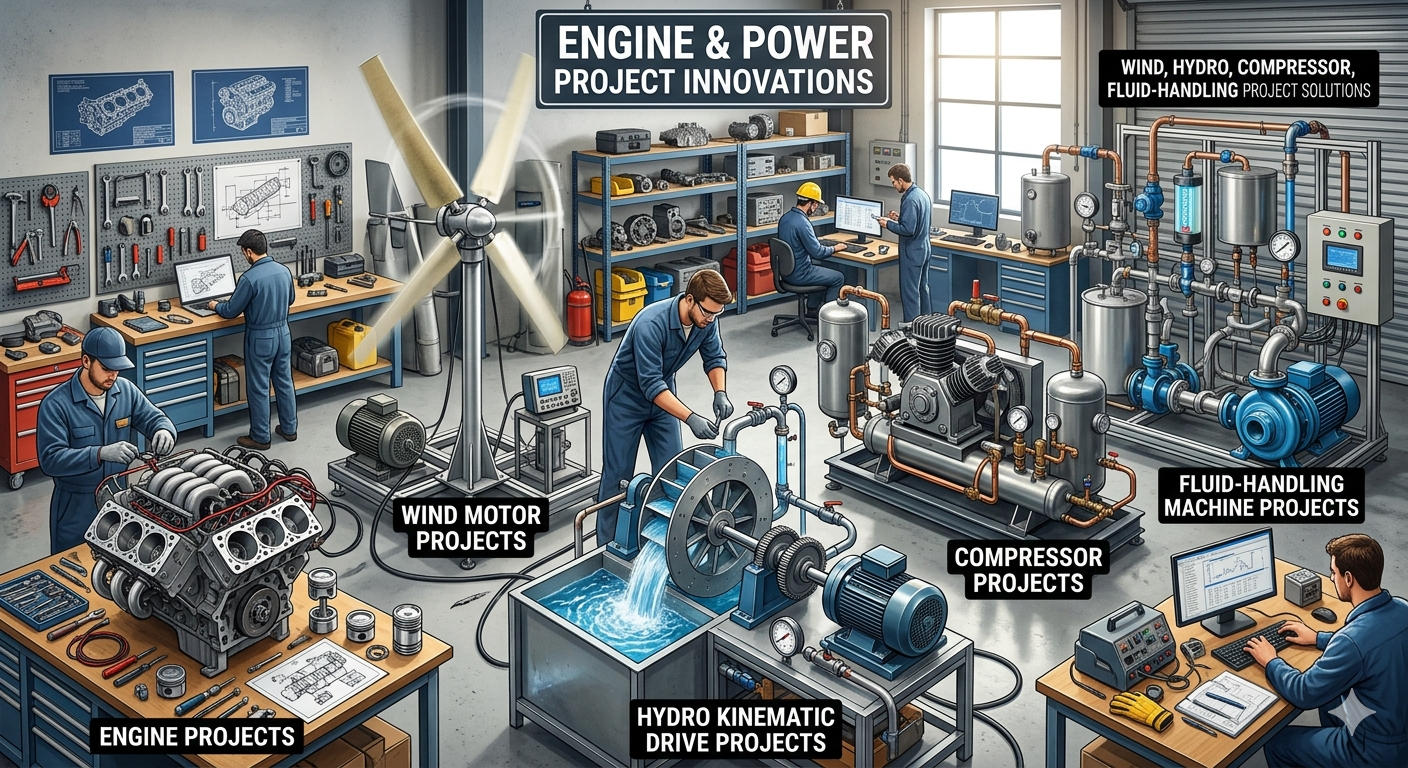
KGYAT is building a new generation of RVCR-based machines designed for 21st-century environmental and market demands. From advanced prime movers to wind and hydro power devices and fluid-handling systems, our projects show how RVCR kinematics can be configured and tuned for diverse applications.

This page highlights our current new-technology project streams, each with a dedicated project page. Additional applications will be added as they launch.

Portfolio Positioning

These projects should be understood as development pathways, not isolated concepts. Each stream represents a focused route for translating RVCR-based engineering into machines with practical relevance to 21st-century environmental, industrial, and market conditions.

Project Streams at a Glance

Our RVCR-based project streams currently include:

Ongoing Projects

KGYAT’s ongoing projects represent the most active current pathways in the portfolio. These are the streams through which RVCR-based engineering is being translated into clearer pilot-product logic, technical visibility, and future market relevance. The page should keep these project routes concise, visual, and easy to navigate.


Slide
VC Roto Engine

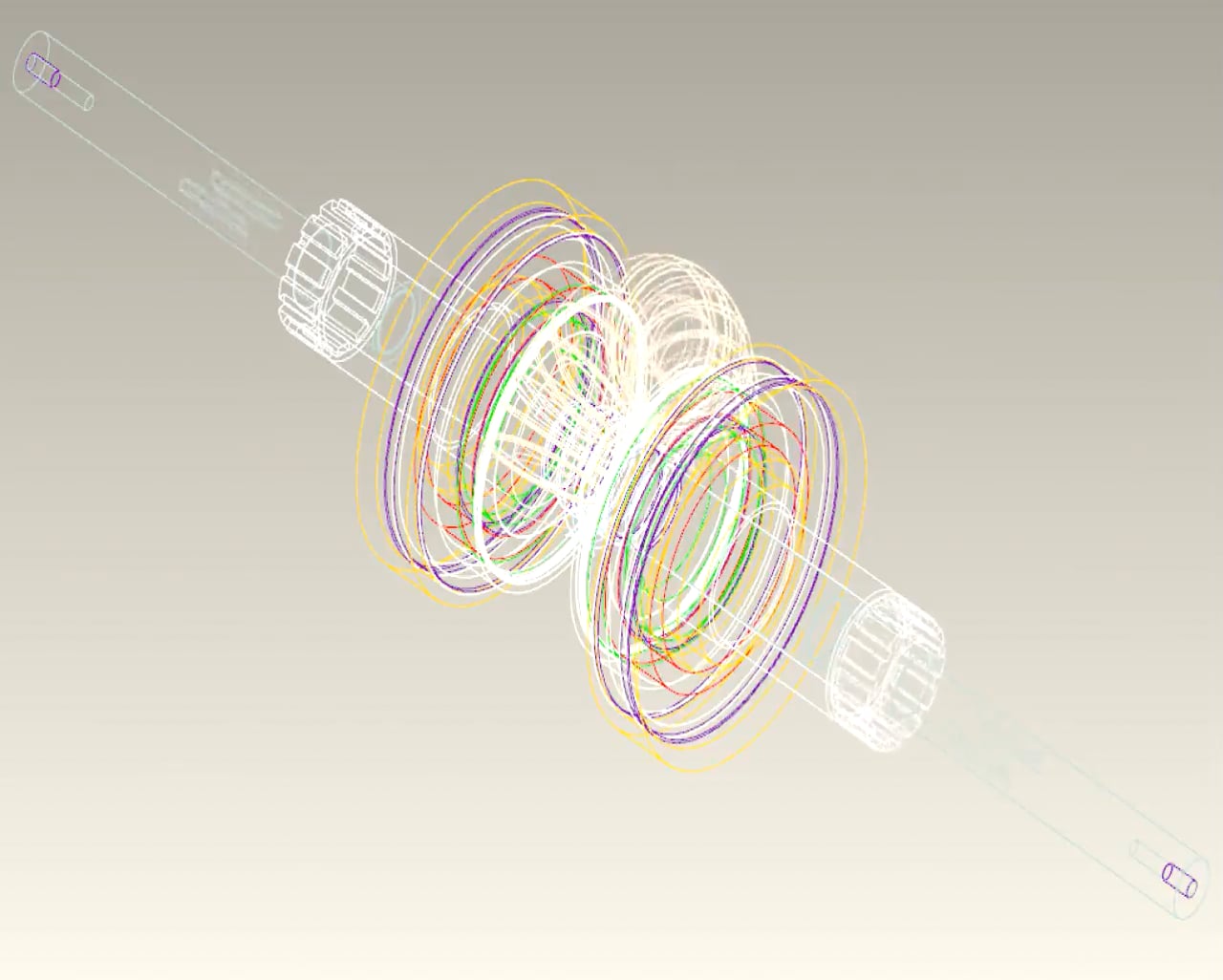
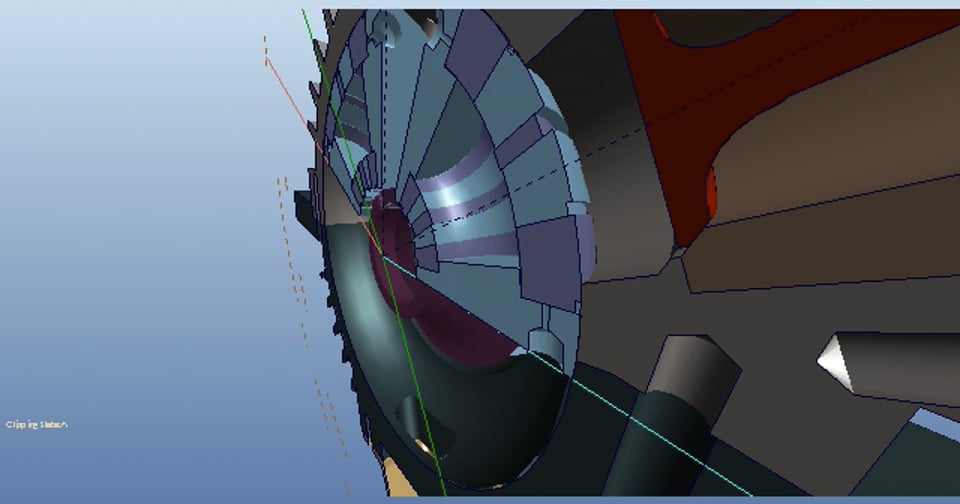
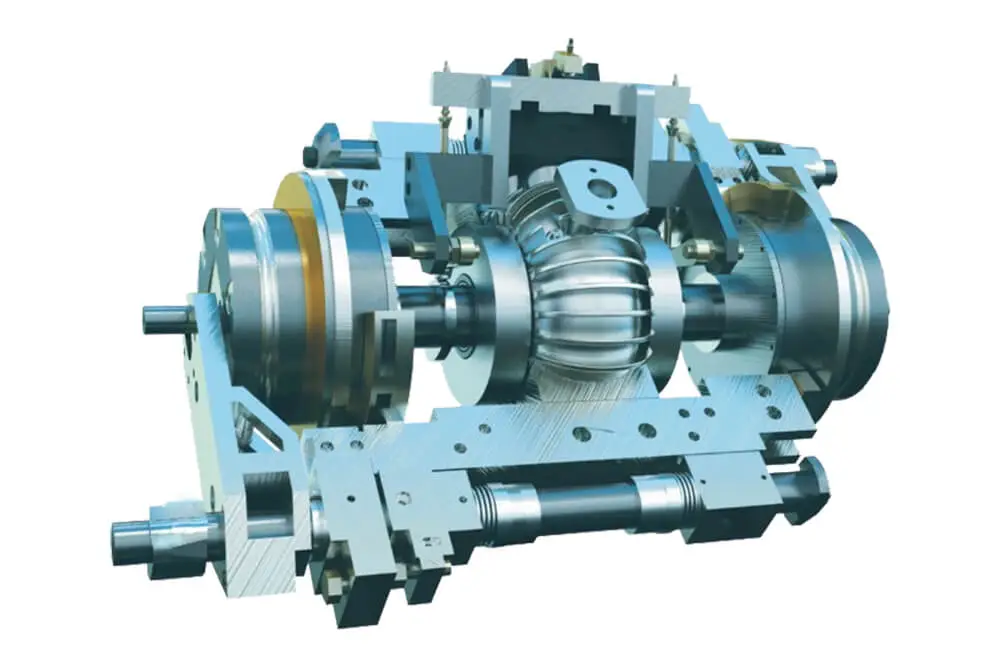
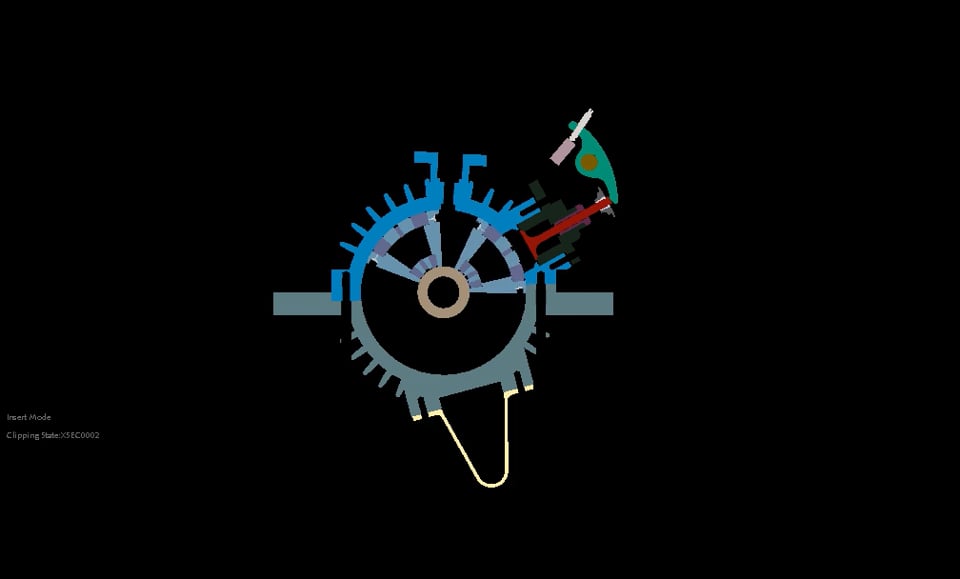
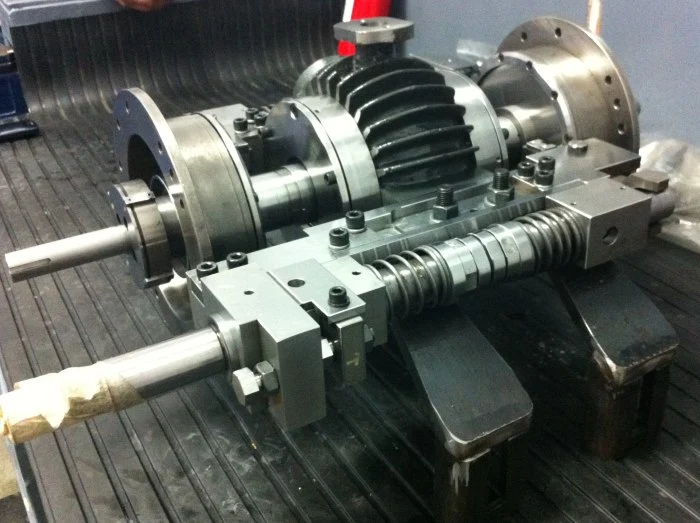
The VC Roto Engine stream represents the lead prime-mover pathway in the portfolio. It is positioned around the development of RVCR-based engine systems capable of offering a new generation of propulsion and power solutions shaped by efficiency, torque delivery, fuel adaptability, and future-ready product logic. Its role within the portfolio is important because it acts as a demanding flagship application for the underlying platform.
previous arrow
next arrow

Propose a New Technology Project

If you see potential for RVCR in engines, wind devices, hydro kinetic systems, compressors, fluid-handling machines or other domains, we welcome exploratory discussions and joint feasibility work.

Planned Projects

Hydro Motors

Hydro motor pathways aim to explore RVCR-based systems that can work with flowing-water conditions and related energy-conversion needs. Their importance lies in extending the platform into hydro-linked applications with cleaner-energy relevance.

Noninvasive Hydro Motors

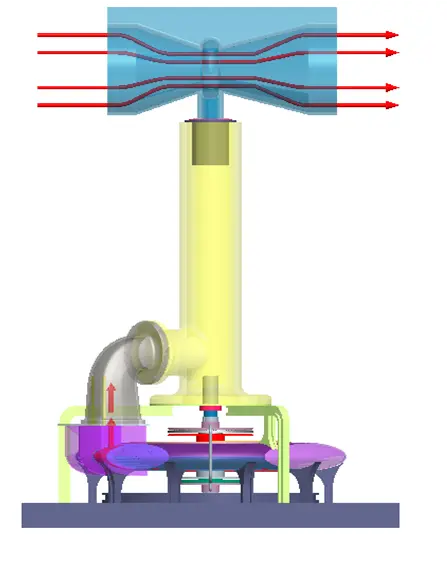
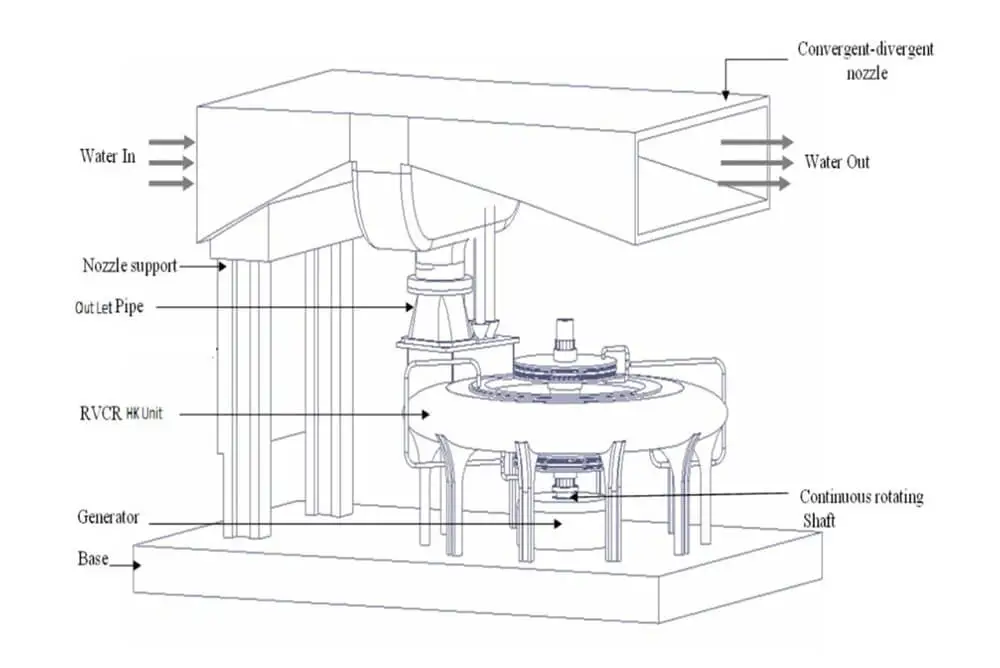
Tapping river, channel, tidal flow’s without turbine blades.

Hydro energy tapping invariably deploys turbines as energy converting means. They are robust machines however the technology is ow saturated. RVCR technology allows tapping of water flow without disturbing the hydrological ecosystem.

Electric Motors / Coaxial Flux Flow Motors

Electric motor pathways indicate how the broader KGYAT portfolio may extend into adjacent machine categories where motion systems, energy handling, and compact architecture remain strategically important.

Coaxial Flux Flow Motors

An evolutionary leap in electromagnetic force conversion.

 RVCR simplifies conversion of electromagnetic energy into torque whilst enhancing efficiency and miniaturization.

RVCR motor have the compactness of axial motors, but flux is not tangential to rotor motion, rather along the rotational axis.

Hydraulic Units / Tangential Piston Hydraulics

Hydraulic-unit pathways broaden the portfolio into pressure-driven machine systems and other industrial applications where controlled fluid movement, compactness, and performance reliability are key.

Tangential Piston Hydraulics

Simpler wide range, high pressure @ low speed.

We are open to joint projects for developing RVCR hydraulic pump and motor based hydraulic system application etc. Hydraulic applications today overwhelmingly use swash plate axial machines. Then there are gear or radial piston machines.

Compressors

Compressor pathways build on RVCR’s sequential compression behavior and aim toward future industrial product lines where smoother and more efficient compression systems may offer downstream value.

Double acting rotary Compressors

slow speed high volume wide pressure range

We are open to joint projects for developing RVCR tech based fluid handling applications. RVCR further enables real-time metering and inline fluid segregartion.

RVCR superior charecteristics over current positive displacement/ rotary dynamics machines.

Pumps

Pump pathways represent another practical extension of the platform into fluid-transfer systems, supporting the broader case for RVCR as a machine family rather than a single-product technology. 

Rotary +ve disp centrifugal

slow speed high volume wide pressure range

We are open to joint projects for developing RVCR tech based fluid handling applications. RVCR further enables real-time metering and inline fluid segregartion.

RVCR superior charecteristics over current positive displacement/ rotary dynamics machines.

SFU / Fluid Metering & Treatment

This category points toward more specialized fluid-related machine systems where precise handling, treatment, or metering functions may create future niche opportunities for RVCR-based engineering. 

Fluid metering & treatment

Specialized fluid applications: – Dosing, Dewatering, Dredging.

RVCR enables continuous feed fluid handling in applications like sludge compression, water seggregation with separate channels.

we are open to joint projects with those seeking superior solutions in fluid handling, metering, treatment for industial, domestic, bio medical, agro-industry, maritime dredginng applications etc.

KGYAT welcomes

KGYAT welcomes engagement from organizations that see potential in RVCR-based projects across engines, renewable-energy systems, and fluid-handling machines. 

Whether the interest lies in a defined use case, exploratory feasibility work, or a broader product-development discussion, the Projects page should make clear that collaboration can begin at different levels of readiness. 

Discuss a Project Idea

For partners exploring a specific segment or application, this pathway should invite direct conversation around opportunity, constraints, and possible development routes. 

Learn About Our R&D

For visitors who want to understand the engineering depth behind the projects, the page should also point them toward the R&D / What We Do page where the underlying development capability is explained in more detail.